

Best Crypto to Buy Now in October 2026 – Top Crypto to Invest In
We believe in full transparency with our readers. Some of our content includes affiliate links, and we may earn a commission through these partnerships. However, this potential compensation never influences our analysis, opinions, or reviews. Our editorial content is created independently of our marketing partnerships, and our ratings are based solely on our established evaluation criteria. Read More


The best crypto to buy now depends on how much volatility you can live with, and October 2026 is a market that rewards selectivity. Bitcoin dominance climbed to around 60% in mid-October as a sell-off hit altcoins far harder than BTC, and US spot Bitcoin ETFs swung from roughly $679 million in weekly outflows (October 5–9) back to small daily inflows. When capital concentrates in Bitcoin like this, large caps with real usage tend to hold up while speculative tokens bleed.
We split our picks into four tiers: three lower-risk blue chips for long-term holding (BTC, ETH, XRP), four higher-risk large caps (SOL, BNB, ADA, DOGE), three thematic tokens covering AI, on-chain derivatives and enterprise tokenization (TAO, HYPE, HBAR), and two presales for the small, high-risk slice of a portfolio. Every coin is scored on seven weighted criteria and re-checked at each review. Prices, market caps and 7-day moves on this page update live.
- In This Article
-
- 1. Solana (SOL)- High-Speed, Low-Fee Blockchain for Scalable DeFi and dApps
- 2. BNB Coin (BNB)- Exchange Utility Token Powering Trading Fees and Perks
- 3. Cardano (ADA)- Research-Driven Blockchain Focusing on Security, Scalability, and Sustainability
- 4. Dogecoin (DOGE)- Meme-Based Cryptocurrency Used for Tipping and Online Payments
-
- 1. Define Your Goals
- 2. Understand the Project's Use Case
- 3. Analyze Project Fundamentals: Review the Whitepaper and Roadmap
- 4. Look Into Liquidity, Market Capitalization, and Trading Volume
- 5. Consider Tokenomics
- 6. Scrutinize the Team and Backers
- 7. Analyze Community Size and Strength
- 8. Study the Price History and Track Record
- In This Article
- Show Full Guide
-
- 1. Solana (SOL)- High-Speed, Low-Fee Blockchain for Scalable DeFi and dApps
- 2. BNB Coin (BNB)- Exchange Utility Token Powering Trading Fees and Perks
- 3. Cardano (ADA)- Research-Driven Blockchain Focusing on Security, Scalability, and Sustainability
- 4. Dogecoin (DOGE)- Meme-Based Cryptocurrency Used for Tipping and Online Payments
-
- 1. Define Your Goals
- 2. Understand the Project's Use Case
- 3. Analyze Project Fundamentals: Review the Whitepaper and Roadmap
- 4. Look Into Liquidity, Market Capitalization, and Trading Volume
- 5. Consider Tokenomics
- 6. Scrutinize the Team and Backers
- 7. Analyze Community Size and Strength
- 8. Study the Price History and Track Record
Last reviewed: Oct. 22, 2026. What changed:
- Updated: Ethereum. Corrected upgrade timing: Pectra has been live since May 2025; Glamsterdam is in final development with no confirmed activation date.
- Updated: XRP. Now reflects US spot XRP ETFs (trading since November 2025) and the Permissioned Domains amendment (live since February 2026).
- Updated: Bitcoin dominance and ETF flow figures after the mid-October altcoin sell-off.
- Watchlist: HBAR and Cardano remain under review for removal due to underperformance
Next scheduled review: Oct. 30, 2026
Key Takeaways: Best Crypto to Buy Now
- The best cryptos to buy right now include lower-risk, higher-risk, utility, and AI cryptocurrencies.
- These projects include Bitcoin (BTC), Ethereum (ETH), XRP (XRP), Solana (SOL), Bitcoin Hyper, and BNB Coin (BNB).
- Some of the reasons why investors are buying crypto right now include institutional momentum, favorable policies, and improvements in technology.
- Investing in cryptocurrency can be risky, and you should evaluate a project before investing.
- To mitigate some risks from investing, consult a professional, diversify, DYOR, and never invest more than you can afford to lose.
Top Crypto Tokens to Buy in 2026: Quick Comparison
| Asset | Current Price | Market Cap | Risk Level | Time Horizon | Primary Use |
|---|---|---|---|---|---|
| Bitcoin (BTC) | $80,628.42 | $1.62T | Lower | Long-term | Store of value |
| Ethereum (ETH) | $2,367.85 | $284.69B | Lower | Long-term | Smart contracts & DeFi |
| XRP (XRP) | $1.28 | $127.98B | Lower | Long-term | Cross-border payments |
| Solana (SOL) | $101.87 | $64.82B | Higher | Short/Long | High-speed dApps & DeFi |
| BNB (BNB) | $733.49 | $1.62T | Higher | Short/Long | Exchange & ecosystem utility |
| Cardano (ADA) | $0.20 | $9.34B | Higher | Long-term | Proof-of-stake smart contracts |
| Dogecoin (DOGE) | $0.077 | $12.08B | Higher | Short-term | Meme liquidity & payments |
| Bittensor (TAO) | $250.08 | $5.25B | Higher | Long-term | Decentralized AI network |
| Hyperliquid (HYPE) | $75.46 | $72.09B | Higher | Short-term | On-chain derivatives trading |
| Hedera Hashgraph (HBAR) | $0.076 | $3.83B | higher | short-term | Enterprise-level L1 with major adoption |
| Bitcoin Hyper (Hyper) | Presale Raised: $33.22M | N/A | High | Long-term | Bitcoin L2 Scaling |
| Maxi Doge (MAXI) | Presale Raised: $4.88M | N/A | High | Short-term | Memecoin Presale |
Best Cryptos to Buy with Lower Risk for Long-Term Investment
With millions of digital assets across hundreds of chains, many investors wonder which crypto to buy today for the long term. The answer comes down to stability, which is why blue-chip cryptos should be first in line. They can help investors navigate the extreme volatility typical of this emerging industry.
Don’t get me wrong, this doesn’t mean blue-chips aren’t prone to wild fluctuations. However, their large market capitalizations are like the keels of a vessel, maintaining balance with their massive weight. If you are building a buy-and-hold position specifically, our guide to the best long-term crypto goes deeper on holding periods and allocation.
Bitcoin, Ethereum, and XRP are established ecosystems with entire markets built around them. They are suitable for conservative investors still open to crypto exposure. However, one of their main drawbacks is that they can’t offer the upside potential of early-stage projects.
We selected these three lower-risk crypto assets based on factors like market capitalization, trading volume, active user base, and ecosystem size. Let’s look closer at these top options.
1. Bitcoin (BTC)- Original Digital Currency and Leading Store-of-Value Crypto
Key Information:
- Bitcoin price: $80,628.42
- Market cap: $1.62T
- All-time high: $126,173.18
- 24-hour price change: -1.14%
- 7-day price change: -1.20%
- Year-to-Date (YTD) return: -8.17%
Bitcoin  BTC 1.14% is the oldest and most widely adopted cryptocurrency. It has a flawless 17-year track record, a market cap of $1.62T, and is recognized as legal tender in countries like El Salvador. It has officially been classified as a commodity by both the SEC and CFTC. Overall, its decentralized proof-of-work network is unmatched in security and scale.
Bitcoin ETFs (led by BlackRock’s IBIT) have accumulated over $50 billion in assets since launch, and corporate treasury adoption, from MicroStrategy to Trump-backed American Bitcoin, continues to add structural demand. With the halving behind it, the supply shock dynamic favors holders. Bitcoin’s dominance sits around 60%, a level historically associated with cycle maturity before altcoin rotations begin. For any new portfolio, it remains the lowest-friction first buy.
Why Now?
Bitcoin is doing the one thing it needs to do for the rest of the market to work: holding a high floor while everything else rotates. It trades at $80,628.42 against an all-time high of $126,173.18, with -1.20% over the past week and -8.17% year to date. ETF flows remain the variable to watch, because they are now the mechanism through which traditional capital arrives. Dominance near 60% after the mid-October sell-off shows capital consolidating in Bitcoin rather than leaving crypto altogether. ETF flows are the variable to watch: about $679 million left US spot funds in the week of October 5–9, followed by small net inflows since.
How Bitcoin Scored in Our Selection Methodology:
- Market Performance (25%): Exceptional. Maintains undisputed market dominance of around 60%, premier multi-cycle price resilience, and unmatched macroeconomic floor support driven by sustained institutional accumulation and spot ETF balance-sheet inflows.
- Utility and Use Cases (20%): High. Operates globally as digital gold, an institutional store of value, sovereign legal tender, and the primary base collateral for broader crypto liquidity, though base-layer programmability remains intentionally constrained to prioritize monetary security.
- Community and Adoption (15%): Exceptional. Leads the entire industry in global adoption across retail users, institutional asset managers, corporate balance sheets, and nation-states, bolstered by universal brand recognition that no alternative asset matches.
- Development Team (15%): Exceptional. Governed by a decentralized, open-source collective of Bitcoin Core contributors with an unbroken 15-year record of network uptime, adhering to conservative, consensus-driven security standards rather than centralized corporate roadmaps.
- Security (15%): Exceptional. Sets the global gold standard for economic and cryptographic security, defended by an unprecedented Proof-of-Work hashrate that makes 51% attacks economically and logistically unfeasible.
- Regulatory Compliance (5%): Exceptional. Holds the clearest legal status in digital assets worldwide, officially classified as a commodity by the SEC and CFTC and backed by regulated spot ETF products across major global financial exchanges.
- Roadmap and Future Plans (5%): Moderate to High. Focuses on base-layer stability while scaling happens organically on Layer-2 rails like Lightning and emergent Bitcoin sidechains, ensuring protocol durability without compromising fundamental decentralization.
2. Ethereum (ETH)- Smart Contract Powerhouse for DeFi, dApps, and Web3
Key Information:
- Ethereum price: $2,367.85
- Market cap: $284.69B
- All-time high: $4,946.23
- 24-hour price change: -1.21%
- 7-day price change: -2.79%
- Year-to-Date (YTD) return: -20.47%
Ethereum  ETH 1.21% is the backbone of Web3, powering most decentralized apps, NFTs, and DeFi protocols. Its Pectra upgrade has enhanced scalability and performance, reinforcing its position as the most widely used blockchain globally.
Ethereum is between two major upgrades. Pectra, live since May 2025, raised validator staking limits and improved wallet UX. Glamsterdam, the next hard fork, is in its final development stage. Developers haven’t committed to a firm activation date, and public upgrade trackers currently point to a November 2026 mainnet target. Its goal is to push transaction capacity well beyond today’s ceiling, which means cheaper fees and a more credible settlement layer for stablecoins and tokenized assets. ETH staking currently yields around 3–4% a year, a carry component most blue chips can’t offer.
Why Now?
Ethereum trades at $2,367.85, -2.79% on the week. The case is mechanical rather than narrative: staking pays roughly 3–4% annually, so the asset carries while you wait, and the upgrade sequence is aimed squarely at the cost of using the chain. Ethereum also remains where stablecoin settlement and tokenized assets actually live, which is the part of crypto that keeps transacting when prices fall. Treat it as the second core holding rather than a trade.
How Ethereum Scored in Our Selection Methodology:
- Market Performance (25%): Exceptional. Holds undisputed status as the primary altcoin benchmark, anchored by deep institutional ETF liquidity, multi-cycle price resilience, and sustained market capitalization dominance second only to Bitcoin.
- Utility and Use Cases (20%): Exceptional. Serves as the premier settlement and smart contract layer in Web3, securing the vast majority of decentralized finance, real-world asset (RWA) tokenization, and multi-chain Layer-2 rollups while capturing persistent base-layer fee revenue.
- Community and Adoption (15%): Exceptional. Commands the largest, most entrenched developer network and open-source contributor ecosystem in the industry, paired with massive institutional adoption via asset managers and corporate treasuries.
- Development Team (15%): Exceptional. Guided by a decentralized, peer-reviewed core research and engineering community alongside the Ethereum Foundation, delivering continuous high-stakes network upgrades including the Merge, Dencun, and Pectra.
- Security (15%): Exceptional. Delivers the highest economic security in Proof-of-Stake history, backed by over 30 million staked ETH and more than one million distributed active validator keys preventing malicious reorganization.
- Regulatory Compliance (5%): Exceptional. Established as a regulated digital asset through SEC-approved spot Ethereum ETFs, with continuous structural clarity solidifying its non-security classification across major global jurisdictions.
- Roadmap and Future Plans (5%): High. Features a clear, milestone-driven technical roadmap spanning stateless validation, native account abstraction, and advanced zk-rollup scaling to maintain long-term execution leadership.
3. XRP (XRP)- Fast, Low-Cost Settlement Token for Global Payments
Key Information:
- XRP price: $1.28
- Market cap: $127.98B
- All-time high: $3.84
- 24-hour price change: -2.93%
- 7-day price change: -1.97%
- Year-to-Date (YTD) return: -30.57%
XRP  XRP 2.93% is a digital asset built for fast, low-cost, cross-border payments. Transactions settle in seconds for less than a penny, making it ideal for banks, remittance providers, and payment networks moving money globally.
In February 2026 the XRP Ledger activated Permissioned Domains (XLS-80), which let issuers create credential-gated environments on the public ledger so regulated firms can trade and settle only with verified counterparties. It’s a compliance feature rather than a consumer one, aimed squarely at the banks and payment providers Ripple is courting.
On the demand side, US spot XRP ETFs have traded since November 13, 2025, when the first fund debuted on Nasdaq. The question is no longer whether XRP gets ETF access but whether inflows hold up. The ledger is also adding native lending, which broadens the use case beyond remittance.
Ripple’s $1 billion acquisition of GTreasury, a corporate treasury platform, signals a direct move into the institutional payments stack, not just cross-border retail flows.
Why Now?
XRP trades at $1.28, -1.97% over seven days. Two concrete things changed its profile this year. Ripple’s $1B acquisition of GTreasury pushed it into the corporate treasury stack rather than retail remittance alone, and the launch of multiple US spot ETFs. The ledger itself is adding native lending and permissioned domains. The risk is that XRP’s price is more sensitive to regulatory headlines than to ledger usage, so expect sharp moves on news that has nothing to do with transaction volume.
How XRP Scored in Our Selection Methodology:
- Market Performance (25%): High. Demonstrates strong multi-cycle liquidity depth and sustained top-tier market cap positioning, backed by institutional accumulation via spot XRP ETFs, though periodic price suppression occurs around monthly escrow releases.
- Utility and Use Cases (20%): High. Functions as a purpose-built settlement bridge and high-speed liquidity rail for cross-border institutional remittances, settling payments in 3–5 seconds with near-zero network fees across global banking partners.
- Community and Adoption (15%): Exceptional. Backed by the “XRP Army,” one of the most dedicated, vocal grassroots retail communities in crypto history, alongside expanding institutional adoption across international payment providers and central bank pilots.
- Development Team (15%): Exceptional. Guided by Ripple Labs’ seasoned corporate and engineering leadership, exhibiting premier execution in securing global banking integrations, regulatory licenses (Singapore, UAE), and enterprise infrastructure rollouts.
- Security (15%): High. Powered by the XRP Ledger Consensus Protocol (XRPL), delivering over a decade of continuous operational uptime without reorganization or double-spend exploits, though consensus relies on a more centralized Unique Node List (UNL) structure than Proof-of-Work.
- Regulatory Compliance (5%): Exceptional. Boasts unmatched legal certainty in the United States following federal court rulings and formal SEC settlement terms establishing non-security status, reinforced by regulated spot ETF offerings across major exchanges.
- Roadmap and Future Plans (5%): High. Features strong technical momentum via XRPL upgrades, native automated market maker (AMM) integration, Ethereum Virtual Machine (EVM) sidechain interoperability, and the rollout of the Ripple USD (RLUSD) enterprise stablecoin.
Top Cryptos to Buy with Higher Risk for Short-Term Investment
Growth-oriented investors leaning toward more risk would be more tolerant of volatility. In fact, short-term gains derive from price fluctuations, so it makes sense to explore the most volatile crypto assets.
These altcoins have more upside potential than blue chips, often showing larger percentage moves. But as you know, the catch is that volatile assets are unpredictable and can swing against you at any moment.
To eliminate extreme risks, such as sudden collapses or rug pulls, we handpicked the best short-term crypto assets among the countless options. Unlike blue chips, these more volatile cryptocurrencies are suitable for day trading.
Our list of scalable altcoins may be the ideal starting point for anyone asking which crypto to buy today for the short term. It includes Solana, BNB, Cardano, and Dogecoin, offering a mix of large Web3 ecosystems and community-backed meme coin exposure.
We paid attention to their market cap, ecosystem activity, relevant partnerships, and social media traction. Below are the top choices.
1. Solana (SOL)- High-Speed, Low-Fee Blockchain for Scalable DeFi and dApps
Key Information:
- Solana price: $101.87
- Market cap: $64.82B
- All-time high: $294.16
- 24-hour price change: -2.19%
- 7-day price change: -2.83%
- Year-to-Date (YTD) return: -18.41%
Solana  SOL 2.19% is a very fast blockchain, handling around 960 transactions per second as of October 2026, with almost no fees, even when many people use it at once. Its built-in time-stamping system helps it stay quick and smooth, making it a favorite for DeFi apps, NFTs, and busy trading platforms.
It is all about reliability and speed in the Solana 2026 story. Firedancer introduces a second validator client, eliminating the risk of cutover, and pushing higher throughput. Alpenglow is seeking higher finality and reduced latency. As the compute limits become larger and the token transfers reduce in cost, the fees decline. The latter combination facilitates the operation of DeFi, gaming, and meme trading.
The meme coin and consumer app ecosystem on Solana, including pump.fun, Tensor, and Dialect, have driven some of the highest retail on-chain activity of any chain in 2025–2026. That user base is a genuine competitive moat, not just a speculative tailwind.
Why Now?
Solana trades at $101.87, -2.83% on the week. Its moat is user behaviour: the consumer and meme-trading ecosystem built around pump.fun, Tensor and Dialect drives more retail on-chain activity than any competing chain, and that habit is harder to copy than throughput. The Firedancer second validator client is the thing to track, because a single-client chain is a single-client risk. Solana is the highest-beta way to express a view that retail activity keeps rising.
How Solana Scored in Our Selection Methodology:
- Market Performance (25%): Exceptional. Consistently ranks among the top Layer-1 performers across recent market cycles, backed by top-three global trading volume, exceptional liquidity depth, and rapid capital rotation during altcoin expansion phases.
- Utility and Use Cases (20%): Exceptional. Serves as the premier high-throughput retail and decentralized exchange execution layer, powering sub-cent micro-transactions, mass consumer applications, high-frequency DeFi, and dominant on-chain volume share.
- Community and Adoption (15%): Exceptional. Boasts one of the most culturally dominant, resilient developer and retail ecosystems in Web3, sustaining relentless on-chain active wallet growth and unparalleled daily transaction velocity.
- Development Team (15%): High. Guided by Anatoly Yakovenko, the Solana Foundation, and independent engineering teams like Jump Crypto, demonstrating continuous technical innovation and rapid implementation of network optimizations.
- Security (15%): Moderate to High. Protected by a decentralized validator set with a strong Nakamoto coefficient and high economic stake, though historical chain halts and software client concentration have required deductions compared to PoW and mature PoS benchmarks.
- Regulatory Compliance (5%): High. Benefits from expanding regulated market infrastructure, institutional custody support, CME-style futures integration, and strong momentum behind institutional exchange-traded product filings.
- Roadmap and Future Plans (5%): Exceptional. Driven by game-changing architectural milestones, most notably the rollout of the independent Firedancer validator client to break throughput bottlenecks, alongside ongoing consensus upgrades aimed at permanent reliability.
2. BNB Coin (BNB)- Exchange Utility Token Powering Trading Fees and Perks
Key Information:
- BNB price: $733.49
- Market cap: $96.46B
- All-time high: $1,370.98
- 24-hour price change: -1.75%
- 7-day price change: +1.71%
- Year-to-Date (YTD) return: -15.07%
BNB  BNB 1.75% is widely viewed as a good buy thanks to its utility, broader applications, and being the native token of the BNB ecosystem. It makes paying trading fees on Binance much cheaper, as the platform usually offers discounts of around 25%, increasing profit for frequent traders. It also gives holders access to exclusive token sales and new project launches on Binance Launchpad.
BNB Chain’s 2026 upgrades focus on speed, smoother trading during traffic spikes, and better reliability. The chain is also moving to a dual-client setup, so one client prioritizes stability while the other pushes performance. If you use DeFi often, that combination can make BNB more practical to hold and use.
BNB’s investment case rests on two things: Binance’s continued market share dominance (still the largest CEX by volume), and BNB Chain’s growing ecosystem beyond the exchange. BNB Chain’s 2026 roadmap introduces a dual-client architecture for better stability and performance, and the chain is aggressively targeting DeFi TVL with lower fees. BNB also benefits from Binance’s quarterly burn program, the deflationary mechanic that has removed billions from supply over the years.
Why Now?
BNB trades at $733.49, +1.71% over the week, and BSC holds over $5.8B in TVL per DeFiLlama. Two engines drive it: Binance’s continued lead in spot volume, and the quarterly burn that has permanently removed a large share of supply. BNB Chain’s move to a dual-client setup targets the reliability complaints that have historically pushed DeFi users elsewhere. The overhang is unchanged and worth stating plainly: regulatory action against Binance is the single largest risk to this token, and no roadmap item offsets it.
Its risk: regulatory pressure on Binance remains the single biggest overhang.
How BNB Scored in Our Selection Methodology:
- Market Performance (25%): Exceptional. Consistently maintains its position among the top four digital assets by market cap, demonstrating exceptional relative strength, multi-cycle price resilience, and sustained buying pressure tied directly to Binance platform utility and quarterly auto-burns.
- Utility and Use Cases (20%): Exceptional. Serves as the premier dual-utility asset in crypto, acting as the native gas token for the high-throughput BNB Chain (and opBNB Layer 2) while unlocking ecosystem-wide fee discounts, Launchpool farming allocations, and trading tier privileges on Binance.
- Community and Adoption (15%): Exceptional. Commands one of the largest, most active global retail and DeFi ecosystems, anchored by Binance’s massive user base and a high-volume decentralized application ecosystem that consistently rivals Ethereum and Solana in daily active addresses.
- Development Team (15%): High. Supported by dedicated core engineering teams across BNB Chain and Binance, demonstrating consistent network execution, high throughput scaling optimizations, and rapid incident response, despite navigating centralized leadership transitions.
- Security (15%): Moderate to High. Secured by a Proof-of-Staked-Authority (PoSA) consensus model that delivers high throughput, fast block times, and robust economic guarantees, though its smaller validator set exhibits higher centralization risks than Proof-of-Work or mature Proof-of-Stake networks.
- Regulatory Compliance (5%): Moderate. Successfully resolved comprehensive legacy enforcement actions with major U.S. agencies (DOJ, CFTC, Treasury), operating under strict multi-year compliance oversight, though exchange-linked platform utility creates residual regional regulatory scrutiny.
- Roadmap and Future Plans (5%): High. Driven by concrete architectural upgrades, including opBNB Layer-2 scaling, decentralized storage integration via BNB Greenfield, and programmatic real-time fee-burning via BEP-95 and the BEP-336 Blob space rollout.
3. Cardano (ADA)- Research-Driven Blockchain Focusing on Security, Scalability, and Sustainability
Key Information:
- Cardano price: $0.20
- Market cap: $9.34B
- All-time high: $3.10
- 24-hour price change: -3.86%
- 7-day price change: -7.05%
- Year-to-Date (YTD) return: -38.22%
Cardano is a leading blockchain platform that uses proof-of-stake consensus, called Ouroboros, to support smart contracts and dApps. Its main goal is security, as it focuses on providing a highly secure and scalable infrastructure while emphasizing academic research and peer-reviewed development.

Cardano’s 2026 story is execution, not promises. The Voltaire governance era handed on-chain control to ADA holders, a structural first for a major L1. Hydra (layer-2 scalability) is moving from testnet to more active deployment, and Midnight, the privacy sidechain, is targeting regulated finance use cases where confidentiality is non-negotiable. For investors, the staking yield (currently ~3% annualized) provides an income floor while waiting for ecosystem growth to materialize.
Why Now?
Cardano trades at $0.20, -7.05% on the week, with staking yielding roughly 3% annually. The Voltaire era handed on-chain governance to ADA holders, a genuine first among major Layer 1s, and Midnight targets confidential transactions for regulated finance. Cardano’s appeal is its deliberate pace: peer-reviewed development and an uninterrupted uptime record make it the pick for investors who weight reliability over shipping speed. The counter-argument is equally plain, which is that ecosystem TVL has not yet followed the engineering.
How Cardano Scored in Our Selection Methodology:
- Market Performance (25%): High. Retains a resilient top-ten market cap footprint and deep multi-cycle liquidity across global spot venues, though its price velocity often lags faster-moving Layer-1 competitors during speculative altcoin rallies.
- Utility and Use Cases (20%): High. Leverages the Extended UTXO (EUTXO) accounting model to power deterministic, highly secure smart contracts, decentralized finance primitives, and native asset issuance without relying on fragile external execution layers.
- Community and Adoption (15%): Exceptional. Backed by one of the most loyal, values-aligned community bases in the industry, maintaining high retail engagement, dedicated stake pool operators (SPOs), and widespread participation in decentralized governance assemblies.
- Development Team (15%): Exceptional. Guided by Charles Hoskinson and Input Output Global (IOG), setting the industry benchmark for academic rigor, formal verification, and peer-reviewed code engineering across every major network era.
- Security (15%): Exceptional. The Ouroboros Proof-of-Stake consensus protocol provides mathematically proven, enterprise-grade economic security and an unbroken multi-year track record of flawless network uptime with zero chain halts.
- Regulatory Compliance (5%): High. Operates with conservative, jurisdiction-conscious design principles; despite historical inclusion in broad SEC complaint narratives, the absence of centralized staking slashing or custodial requirements supports its institutional standing.
- Roadmap and Future Plans (5%): Exceptional. Transitioned into complete decentralized community governance through the Chang hard fork and the Voltaire era, paired with layer-2 scaling milestones via Hydra state channels and cross-chain partner chains like Midnight.
4. Dogecoin (DOGE)- Meme-Based Cryptocurrency Used for Tipping and Online Payments
Key Information:
- Dogecoin price: $0.077
- Market cap: $12.08B
- All-time high: $0.75
- 24-hour price change: -3.18%
- 7-day price change: -3.48%
- Year-to-Date (YTD) return: -34.74%
Dogecoin  DOGE 3.18% is a solid option for high-volume traders thanks to its deep liquidity on major exchanges and steady daily turnover. It runs on a Scrypt-based Proof of Work system, keeping the network decentralized and still mineable with widely available hardware.
DOGE’s investment case is more speculative than technical in 2026, and being honest about that is what makes it credible. The bull case rests on X (formerly Twitter) payment integration (still in development), Elon Musk’s continued public support, and the asset’s unmatched retail liquidity. DOGE remains among the top 5 most actively traded tokens on every major exchange. If the X pay integration ships with a DOGE option, the retail demand spike could be substantial. If it doesn’t, DOGE reverts to community speculation. Size it accordingly.
Why Now?
Dogecoin trades at $0.077, -3.48% over seven days. The honest framing is that DOGE is a liquidity instrument, not a technology bet. It is among the five most actively traded tokens on every major venue, which means you can size in and out without slippage, and that is most of its appeal. The upside case is a payment integration on X shipping with a DOGE option. If that does not arrive, DOGE trades on attention alone. Size it as the speculative sleeve of a portfolio, not the core.
How Dogecoin Scored in Our Selection Methodology:
- Market Performance (25%): High. Holds a resilient multi-cycle top-ten market capitalization, demonstrating high liquidity and explosive upside elasticity during retail-led speculative cycles, though it remains prone to steep, prolonged drawdowns during risk-off market phases.
- Utility and Use Cases (20%): Moderate. Functions effectively as a lightweight, peer-to-peer transactional payment currency with sub-cent network fees and fast block times, but lacks native smart contract functionality, programmable DeFi layers, or native Layer-2 scaling ecosystems.
- Community and Adoption (15%): Exceptional. Boasts one of the most culturally dominant, recognizable grassroots communities in finance, amplified by high-profile social advocacy, extensive merchant acceptance across e-commerce platforms, and unmatched mainstream retail awareness.
- Development Team (15%): Moderate to High. Maintained by a dedicated, open-source core developer group and supported by the Dogecoin Foundation, delivering deliberate base-layer maintenance and node efficiency upgrades rather than aggressive feature expansions.
- Security (15%): Exceptional. Secured through auxiliary Proof-of-Work (AuxPoW) merge-mining alongside Litecoin (Scrypt algorithm), commanding massive, battle-tested hashrate that protects the network against 51% attacks and double-spend attempts.
- Regulatory Compliance (5%): Exceptional. Operates with clean regulatory standing as an open-source, fair-launch Proof-of-Work currency with no pre-mine or ICO history, firmly categorizing it as a decentralized payment commodity rather than an unregistered security.
- Roadmap and Future Plans (5%): Moderate. Focuses on pragmatic incremental enhancements via the Dogecoin Foundation roadmap, including the GigaWallet payment gateway integration, libdogecoin C-library tools, and community proposals exploring scalable merchant settlement rails.
Best Crypto Projects for Specialized Investors- Utility and AI Tokens
While large smart contract networks like Ethereum, Solana, and BNB Chain cover many use cases, some investors prefer clearer themes. Utility and AI tokens stand out because they focus on specific services, link directly to real-world demand, and can show more obvious growth paths.
Some of the best utility tokens include HYPE and HBAR, which power a trading hub and a dApp ecosystem, respectively. A special category to explore is Layer 2 solutions built around Ethereum, which have become indispensable for their scaling potential.
Elsewhere, top AI crypto coins like TAO have also been among trending coins since the AI craze began. Growth-oriented investors may look to these and other utility tokens for day trading and short-term gains.
We selected a few coins that dominate their niches, have gained traction, represent mature markets, and remain well-positioned for future growth. Check them out below.
1. Bittensor (TAO) – Decentralized AI Network Rewarding Open Machine Learning Contributions
Key Information:
- TAO price: $250.08
- Market cap: $5.25B
- All-time high: $769.13
- 24-hour price change: -4.03%
- 7-day price change: -9.11%
- YTD return: +13.19%
Bittensor  TAO 4.03% is a decentralized blockchain protocol tailored for machine learning (ML) and artificial intelligence (AI). It offers an open marketplace where developers and users can share, train, and even exchange AI models without requiring permissions.
Bittensor’s 2026 story is the dTAO migration, subnet-level dynamic markets that let capital flow toward the highest-performing AI subnets rather than a single fixed emission schedule. That structural change is what separates TAO from earlier “AI coin” hype: it ties token value more directly to subnet performance instead of narrative alone.
When buying Bittensor, it rewards contributors with the native token TAO, encouraging them to become a collaborative intelligence economy. Moreover, Bittensor’s core architecture combines subnets, a blockchain layer, and an API that, mixed together, offer a wide range of AI services and applications.
Why Now?
Bittensor trades at $250.08, -9.11% on the week. The distinction from the rest of the AI-token category is structural: dTAO lets capital flow toward subnets that actually perform rather than paying a fixed emission schedule, so the token tracks output quality instead of narrative. Supply is hard-capped Bitcoin-style, and post-halving issuance has tightened float. Understand what you are buying, though. TAO is a bet on an open market for machine intelligence beating centralized compute rental, and that thesis is years from resolution.
How Bittensor Scored in Our Selection Methodology:
- Market Performance (25%): High. Has established strong mid-to-large-cap valuation footing with rapid upside beta during decentralized AI cycles, supported by heavy institutional accumulation, though high beta makes it susceptible to aggressive drawdowns during broader tech and crypto pullbacks.
- Utility and Use Cases (20%): Exceptional. Serves as the premier decentralized machine learning network, transforming distributed compute, AI model training, and algorithmic intelligence across dozens of specialized subnets into an open, tokenized commodity market.
- Community and Adoption (15%): High. Driven by an elite, highly technical cohort of machine learning researchers, quantitative developers, and subnet miners, paired with dominant mindshare across Web3 artificial intelligence discourse.
- Development Team (15%): High. Led by the Opentensor Foundation and foundational AI researchers, demonstrating continuous execution in optimizing subnet emissions, consensus verification, and permissionless protocol architecture.
- Security (15%): High. Employs a specialized Proof-of-Intelligence and Yuma Consensus mechanism to score and reward node output, maintaining robust protocol integrity and Sybil resistance across independent subnets.
- Regulatory Compliance (5%): High. Built on an open-source, fair-launch Proof-of-Work foundation without an initial public ICO or venture pre-mine, reinforcing its decentralized commodity-like economic architecture.
- Roadmap and Future Plans (5%): Exceptional. Positioned around key long-term structural drivers, including post-halving programmatic supply squeezes, cross-subnet composability upgrades, and dynamic EVM smart contract integrations to expand commercial enterprise compute consumption.
2. Hyperliquid (HYPE)- High-Performance Trading Chain for Derivatives and On-Chain Order Books
Key Information:
- HYPE price: $75.46
- Market cap: $72.09B
- All-time high: $97.93
- 24-hour price change: -3.37%
- 7-day price change: -5.71%
- Year-to-Date (YTD) return: +194.51%
Hyperliquid  HYPE 3.37% is redefining crypto trading with ultra-fast, on-chain perpetual futures that rival centralized exchanges. Built on a custom Layer 1, it offers sub-second settlement while maintaining full transparency and self-custody, an ideal blend for serious traders.
Hyperliquid is moving beyond perpetuals with HIP-4, adding “Outcome Trading” for prediction markets and bounded, options-style contracts. You post full collateral upfront, so there’s no leverage, margin calls, or liquidations. Markets can be time-limited and priced via auctions instead of external oracles. Trades settle in USDH, and builders can create custom event markets.
Why Buy Now?
Hyperliquid trades at $75.46, -5.71% over seven days. It is one of the few tokens on this list attached to a business with visible revenue: the chain holds dominant share in on-chain perpetuals and routes fee income into continuous programmatic buybacks rather than funding growth through inflation. HIP-4 extends it into fully collateralized prediction and options-style markets with no liquidations. The risk is concentration, because HYPE’s value is tied to one product’s market share in a category centralized exchanges want back.
How Hyperliquid Scored in Our Selection Methodology:
- Market Performance (25%): Exceptional. One of the strongest large-cap breakout performers, commanding a multi-billion-dollar market cap driven by market-leading protocol revenue and an automated buyback-and-burn mechanism that permanently retires tens of millions of HYPE from supply.
- Utility and Use Cases (20%): Exceptional. Delivers CEX-grade execution on-chain with sub-second finality and gasless orders via HyperBFT, combining a dominant central limit order book (CLOB) perpetual DEX with the composable HyperEVM execution layer.
- Community and Adoption (15%): High. Driven by an organic, highly active trading and market-making base that values self-custodial execution quality over incentive farming, commanding the majority of decentralized perpetual volume and open interest.
- Development Team (15%): High. Guided by a lean, elite engineering team with a relentless shipping cadence, deploying native EVM compatibility and permissionless markets without venture capital dependencies or predatory insider allocations.
- Security (15%): Moderate to High. Protected by a high-performance custom consensus engine and decentralized validator staking, though validator set concentration and heavy dependence on cross-chain bridge infrastructure warrant balanced scrutiny.
- Regulatory Compliance (5%): Moderate. Functions as a non-custodial, permissionless DeFi protocol, but its core focus on high-leverage perpetual derivatives and synthetic markets naturally attracts heightened global regulatory scrutiny.
- Roadmap and Future Plans (5%): Exceptional. Positioned for continued expansion via HyperEVM ecosystem maturity, community-owned HLP liquidity scaling, permissionless asset listings (HIP-3), and native prediction markets (HIP-4).
3. Hedera (HBAR) – Enterprise-Focused Network Using Hashgraph for Fast, Cheap Transactions
Key Information:
- HBAR price: $0.076
- Market cap: $3.83B
- All-time high: $0.56
- 24-hour price change: -3.30%
- 7-day price change: -8.39%
- Year-to-Date (YTD) return: -28.77%
Hedera  HBAR 3.30% is powered by Hashgraph, not traditional blockchain, enabling thousands of fast, secure transactions per second with sub-cent fees. Its enterprise-grade tech is built for real-world use, attracting major partners like Google, IBM, and Dell for applications in tokenization and micropayments.
Hedera’s differentiator in 2026 is regulated-asset tokenization: its enterprise partners are piloting real-world asset and CBDC use cases rather than speculative DeFi.
With its innovative structure, Hedera is tackling problems others haven’t solved, like fair transaction ordering and sustainable scalability. Its tech is already being used in CBDCs, supply chains, and AI data validation.
Why Buy Now?
Hedera trades at $0.076, -8.39% on the week. Hashgraph consensus delivers sub-second finality and fees pegged in fractions of a cent, which matters for the use case Hedera is actually chasing: enterprise tokenization, CBDC pilots and supply-chain records, governed by a council including Google, IBM and Hitachi. Buying HBAR is a bet that institutional capital moving on-chain picks regulatory compliance over permissionless experimentation. It is the slowest-moving thesis on this page and the one least correlated to retail sentiment.
How Hedera (HBAR) Scored in Our Selection Methodology:
- Market Performance (25%): High. Holds a resilient top-tier large-cap market valuation with deep multi-market liquidity, though price appreciation velocity often decouples from its massive transaction counts due to predictable, low fixed USD-denominated fee mechanics.
- Utility and Use Cases (20%): Exceptional. Functions as an enterprise-grade distributed ledger powered by the Hashgraph consensus algorithm, delivering thousands of transactions per second with 3–5 second finality, micro-cent predictable fees, and native services for consensus logging (HCS), tokenization (HTS), and decentralized identity.
- Community and Adoption (15%): High. While retail DeFi mindshare is smaller than that of EVM or Solana ecosystems, Hedera leads the industry in real-world enterprise transaction volume, institutional pilots, and multi-billion-dollar RWA settlement workflows.
- Development Team (15%): Exceptional. Invented by Dr. Leemon Baird and led by Swirlds Labs alongside the Hedera Council, a rotating consortium of up to 39 global organizations, including Google, IBM, Boeing, and Dell, providing unmatched institutional governance stability and rigorous development standards.
- Security (15%): Exceptional. Employs an Asynchronous Byzantine Fault Tolerant (aBFT) hashgraph architecture, which represents the highest mathematical standard of security for distributed ledgers, completely preventing network reorganizations or transaction front-running via fair consensus timestamps.
- Regulatory Compliance (5%): Exceptional. Specifically built from inception for enterprise compliance, legal certainty, and jurisdictional transparency, reinforced by Canary Capital’s spot HBAR ETF filings and its commodity classification standing.
- Roadmap and Future Plans (5%): High. Supported by a clear institutional roadmap centered around permissionless community node expansion, AI agent data provenance verification, and deep integration with global enterprise infrastructure stacks.
Crypto Plays for Investors with High Risk Tolerance
Crypto presales have the most upside potential out of all crypto projects, but they also have a significantly higher failure rate. The vast majority of crypto presales go to zero. We have included two presale projects for investors with high risk tolerance who may choose to diversify a small percentage of their portfolio with funds they can afford to lose for a potential home run.
1. Bitcoin Hyper- High-Performance SVM Layer 2 for Bitcoin DeFi and Scalability
Key Information:
- Raised Amount: $33.22M
- Hard Cap: $52.8M
- Current Price: $0.01368760
- Purchase Methods: ETH, USDT, BNB, USDC, Credit Card
- Launch Date: November 26 2026
Bitcoin Hyper is an SVM-powered Layer 2 designed to resolve Bitcoin’s scalability bottlenecks, targeting sub-second finality and sub-cent gas fees while maintaining base-layer settlement. By pairing the Solana Virtual Machine’s parallelized execution environment with a canonical Bitcoin bridge, it brings high-speed smart contracts, microtransactions, and native DeFi composability directly to BTC capital.
It is all about execution speed and liquidity activation in the Bitcoin Hyper 2026 story. Instead of relying on EVM architectures that frequently run into scaling constraints, the network adopts Solana’s execution runtime to process high-throughput transactions off-chain before settling cryptographic proofs back to Bitcoin L1. Contract security has been audited by Coinsult and SpyWolf, while presale staking mechanisms and structured token vesting aim to stabilize circulating supply through the mainnet transition.
The driving thesis is unlocking Bitcoin’s massive pool of idle capital. Historically, BTC has functioned almost exclusively as passive collateral or cold-storage reserves; Bitcoin Hyper provides the execution rails needed to route that liquidity into decentralized exchanges, lending protocols, and consumer applications without incurring prohibitive L1 gas spikes.
Why Buy Now?
Bitcoin Hyper’s core thesis relies on combining the fastest execution environment in crypto (SVM) with the deepest pool of sovereign capital (BTC). Canonical bridge security and real developer onboarding post-TGE are the critical variables to monitor, as bridge infrastructure remains the main attack surface for any Layer 2 ecosystem. Bitcoin Hyper represents a high-beta infrastructure play on Bitcoin evolving from a dormant store of value into an active, programmable financial layer.
How Bitcoin Hyper Scored in Our Selection Methodology:
- Market Performance (25%): High. As an early-stage presale with a modest hard cap, it carries significant upward price elasticity and asymmetrical upside potential on relatively small capital inflows compared to established mega-cap networks, though it lacks historical price discovery.
- Utility and Use Cases (20%): Moderate to High. Bridges Solana Virtual Machine (SVM) execution to Bitcoin as a Layer 2, delivering sub-second finality and low transaction fees to native Bitcoin assets, though real-world utility remains theoretical until mainnet smart contracts are fully operational.
- Community and Adoption (15%): High. Backed by solid grassroots momentum across Telegram and X, alongside rapid presale retail participation seeking high-beta exposure to the emerging Bitcoin Layer 2 narrative.
- Development Team (15%): Moderate. Features completed smart contract audits via Coinsult and SpyWolf, but operates with a pseudonymous engineering team that has yet to establish a multi-year public track record in production environments.
- Security (15%): Moderate. Relies on verified EVM/SVM codebases and planned multi-sig bridge contracts for Bitcoin cross-chain settlement, though unlaunched Layer 2 protocols carry inherent smart contract and bridge dependency risks.
- Regulatory Compliance (5%): Moderate. Functions as a decentralized utility and governance token distributed via a public presale without institutional backdoors, but lacks the formal regulatory rulings or spot ETF registrations held by mature Layer 1 assets.
- Roadmap and Future Plans (5%): High. Driven by clear, high-impact technical catalysts, including the completion of its fundraising rounds, subsequent DEX and CEX exchange debuts, and the rollout of the trustless SVM-Bitcoin mainnet bridge.
Crypto Presale Launches November 26, 2026
Visit Bitcoin Hyper2. Maxi Doge (MAXI)- High Leverage Meme Coin Built on Ethereum Community Culture
Key Information:
- Raised Amount: $4.88M
- Hard Cap: $15.7M
- Current Price: $0.00028455
- Purchase Methods: ETH and USDT
Maxi Doge is an ERC-20 meme coin on Ethereum tapping into gym culture, degen trading aesthetics, and high-leverage market sentiment. Built around the persona of a bodybuilding Doge maxing out leverage and chasing green candles, the project pairs aggressive community marketing with native staking rewards and a structured capital fund designed to secure centralized and decentralized trading listings.
It is all about viral mindshare and exchange distribution in the Maxi Doge 2026 story. Tapping a total supply of over 150 billion tokens, the project’s tokenomics heavily prioritize reach and liquidity, dedicating 40% to global marketing blitzes, 25% to the dedicated “MAXI Fund” for futures and exchange partnerships, and 15% to DEX/CEX liquidity pools. Smart contract audits and presale staking incentives are designed to mitigate immediate post-launch sell pressure while the core community builds narrative momentum.
Meme coins consistently operate as retail liquidity magnets, and Maxi Doge targets a distinct intersection between fitness meme tropes and aggressive perpetuals/futures trading lore. For community-driven meme plays, converting viral engagement into sticky on-chain volume and secured tier-2/tier-1 exchange listings is the key differentiator between a fleeting pump and sustained secondary market depth.
Why Buy Now?
Maxi Doge’s moat rests purely on cultural alignment and attention capture within retail degen circles. Post-presale DEX liquidity deployment and actual CEX listings are the important factors to watch, as execution on token claims and market maker support dictate whether post-listing volume holds. Maxi Doge represents a speculative, high-beta play on retail meme coin momentum and community-fueled trading sentiment.
How Maxi Doge Scored in Our Selection Methodology:
- Market Performance (25%): High. As an early-stage presale asset with a modest $15.7M hard cap, small incremental capital inflows post-TGE can trigger dramatic percentage multipliers compared to mature multi-billion-dollar meme benchmarks, though it currently lacks public market price discovery.
- Utility and Use Cases (20%): Moderate. Primary value accrual stems from meme-driven speculative momentum, supplemented by planned community staking rewards, trading competitions, and designated allocations for futures-exchange integrations rather than base-layer decentralized infrastructure.
- Community and Adoption (15%): Exceptional. Boasts high viral velocity and aggressive retail growth across Telegram and X, driven by a high-energy, caffeine-fueled trading meme aesthetic and active grassroots presale participation.
- Development Team (15%): Moderate. The team has completed dual independent smart contract security audits via SolidProof and Coinsult, though the core developers operate pseudonymously and must prove sustained long-term execution post-launch.
- Security (15%): Moderate. Built on established Ethereum ERC-20 token standards with third-party code verification, but unlaunched presale contracts carry inherent execution, liquidity-lock, and post-TGE distribution risks that demand strict position sizing.
- Regulatory Compliance (5%): Moderate. Structured as a community-first meme presale with no venture capital backdoors or institutional private allocations, though meme assets face ongoing global scrutiny regarding retail consumer disclosures.
- Roadmap and Future Plans (5%): High. Positioned around key near-term price catalysts, including the completion of its presale phases, initial decentralized exchange liquidity pools on Uniswap, and planned centralized exchange and futures market listings.
Why Are Investors Buying Crypto Right Now?
The buying case right now rests on three things that don’t depend on a price forecast.
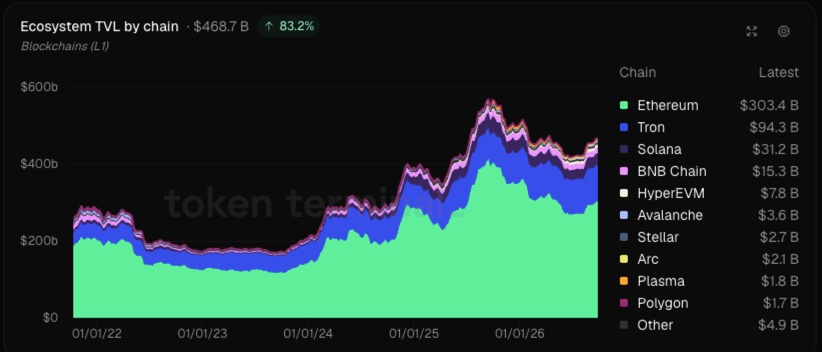
Regulated access is now the norm. US investors can hold Bitcoin, Ethereum and XRP through spot ETFs, which brings advisers and retirement accounts into the market through familiar products.
Stablecoin rules are about to take effect. The GENIUS Act created a federal framework for stablecoins, and the OCC’s final implementing rule takes effect on January 18, 2027. That matters because stablecoin settlement and tokenized treasuries keep running through drawdowns, which gives crypto a usage floor the 2017 and 2021 cycles didn’t have.
Market-structure clarity is the next catalyst, not a given. The CLARITY Act, which would sort tokens into commodities and securities, has not passed, and as of late October 2026 no new vote is scheduled. Passage would be a tailwind for large caps with clear status; further delay keeps headline risk alive for assets like XRP and BNB.
How to Buy Crypto in Four Steps
- Pick a wallet or exchange. A self-custody wallet puts the keys in your hands; an exchange is faster to start but holds your assets. For anything you intend to hold longer than a few weeks, use self-custody.
- Fund the account. Bank transfer is cheapest, card is fastest and usually costs 2–4% more. Check the fee before confirming, not after.
- Buy the asset, not the ticker. Confirm the contract address or official ticker before swapping. Lookalike tokens are the most common way beginners lose money on day one.
- Move it off the platform. Once bought, transfer long-term holdings to a wallet you control. Send a small test amount first and confirm it arrives before sending the rest.
How to Evaluate a Cryptocurrency Before Investing
In bull cycles, a crypto market can uphold numerous assets, yet they are not the ones that are resilient in the long term. It is advisable to perform a careful assessment of the cryptocurrencies before committing financial resources to them that extends beyond their price. These are some of the main factors to be considered.
1. Define Your Goals
Cryptocurrencies have become a diverse market, so it’s important to start by defining your specific goals. Do you seek long-term, steady growth, or are you ready to actively trade for short-term gains? Blue-chip coins may be better suited for long-term growth, while scalable altcoins can offer quicker returns, although they carry higher risk.
2. Understand the Project’s Use Case
Once you select a cryptocurrency that fits your goals, you should check its use case and see what specific problems it solves.

Some crypto coins may power one-stop, industry-agnostic chains, while others focus on specific sectors. Always check whether the use case is still relevant and offers long-term value. For example, metaverse projects are currently in standby mode, while AI and payment coins are thriving.
3. Analyze Project Fundamentals: Review the Whitepaper and Roadmap
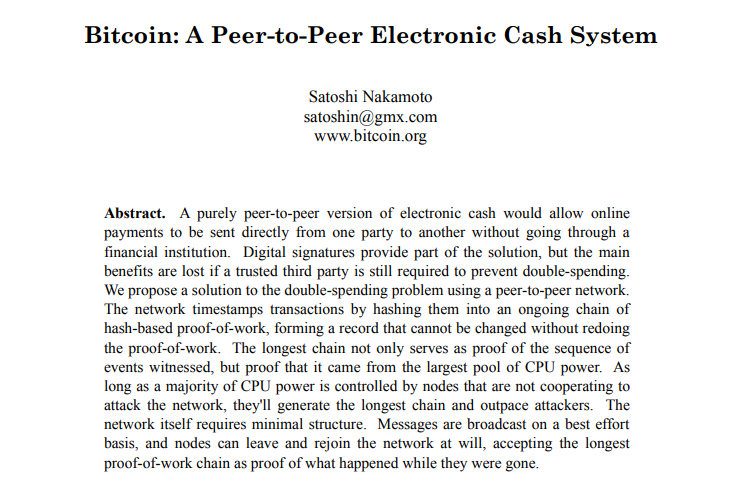
Most crypto assets have a whitepaper outlining their mission and key concepts. Ideally, this comes with a well-designed webpage and a clear roadmap. Take your time to read these.
Sometimes, whitepapers introduce revolutionary innovations. Think about zkSNARKs, decentralized AI networks, oracles, or restaking. If you catch these trends early, you could get in before most investors even notice.
4. Look Into Liquidity, Market Capitalization, and Trading Volume
Market capitalization, trading volume, and liquidity are also key metrics of a crypto asset, which are important factors. High market capitalization is an indication that the investors have confidence in a certain undertaking. High volume of trade and growth in its market size indicate that the project is being captured very fast.
Typically, the coins with large capitalization can be assumed to be more responsible, whereas small-cap and early-stage projects have low liquidity and considerable volatility.
5. Consider Tokenomics
Tokenomics refers to the economic principles defining aspects like a token’s total supply, pace of token unlocks (vesting schedule), distribution model, allocation, deflationary mechanisms, and other financial dynamics.
You should look for healthy tokenomics models that prioritize organic growth and community building rather than benefiting the team and private investors in a disproportionate way.

6. Scrutinize the Team and Backers
Speaking of the team, you should do a background check and analyze the history of team members. Have they held key executive roles at reputable companies in the past? Many blockchain developers and managers come from established fintechs or other well-known entities.
For example, the team behind Facebook’s abandoned Libra project split into two main groups and went on to build Aptos and Sui, two Layer 1 chains that have experienced rapid growth.
When it comes to meme coins and small-cap crypto projects, anonymous teams have become the norm. Still, there are specialized security firms that can audit team profiles without revealing their identity.
7. Analyze Community Size and Strength
You’d be interested in crypto coins backed by large and engaged communities. This is a strong indicator of a project’s strength and momentum, especially in the case of meme coins. In fact, for them, community engagement can be the primary driving force.
Check the cryptocurrency’s social media presence, including activity on X, Telegram, Discord, or Reddit. Projects with passionate and loyal communities can be more resilient during market downturns.
8. Study the Price History and Track Record
If you want to invest in established crypto projects (a.k.a. dino coins), look at their past price charts and how they handled tough periods, such as the 2022–2023 crypto winter. Newer projects may not have much history, but you can still study how their sector performed or compare them with coins that have similar token structures.
What Are the Risks of Investing in Cryptocurrency?
Cryptocurrencies represent a new asset class that is still finding its place alongside traditional markets. In the meantime, they carry a significantly higher risk, which is to be expected of emerging trends.
Take the dot-com bubble in the 2000s, for example. While many low-quality online projects failed, it didn’t mean the internet itself had no value. Similarly, as the crypto market matures, here are the main risks you should know about.
📈 High Volatility
Crypto assets are notorious for their volatility. This is a significant risk even for blue-chip coins. Still, Bitcoin and Ethereum are creating the trends rather than following them. Therefore, they’re more stable and resilient.
Small-cap coins show much higher volatility and carry significant risk for traders using leverage.
🧑⚖️ Lack of Regulation
One of the big problems of crypto is that its regulatory environment is very fragmented and inconsistent across jurisdictions. For example, in China, the world’s second most populous country, crypto is completely banned, while in the European Union, it has a dedicated and relatively friendly regulatory framework.
In the US, still the largest crypto market, stablecoins now have a federal framework under the GENIUS Act, with implementing rules taking effect in January 2027. Rules for the wider token market are still unsettled: the CLARITY Act, which would define which tokens are commodities and which are securities, has not become law.
🔒 Security Risks
You will often hear that blockchain offers unmatched security. While this is true for Bitcoin and perhaps a few other established Layer 1 chains, the broader Web3 ecosystem built around these chains is plagued by security risks, such as vulnerable smart contracts and coding flaws.
In 2026, research by security firm Ack3.ai highlighted that DeFi hacks have already attributed to $939.86M in lost assets, many of which happened to protocols that have had audits done, but the breaches were outside the scope of the audits, with AI creating more attack vectors.
AI-generated deepfake videos impersonating prominent figures from Elon Musk to Vitalik Buterin have become the dominant social engineering vector for crypto scams. If a video appears to promise guaranteed returns or “double your crypto” promotions, it is a scam, regardless of who appears to be speaking.
🧑💻 Scams and Hacks
Due to the lack of crypto literacy, criminals and hackers are taking advantage of the situation and carrying out social engineering activities and using hacking attacks targeting both centralized and decentralized systems.
Chainalysis noted in October 2025 that illicit organizations had close to 15 billion dollars worth of funds, and stolen funds constituted the biggest portion. It is a new record peak, in part, explained by an increase in the price of crypto assets in 2025.
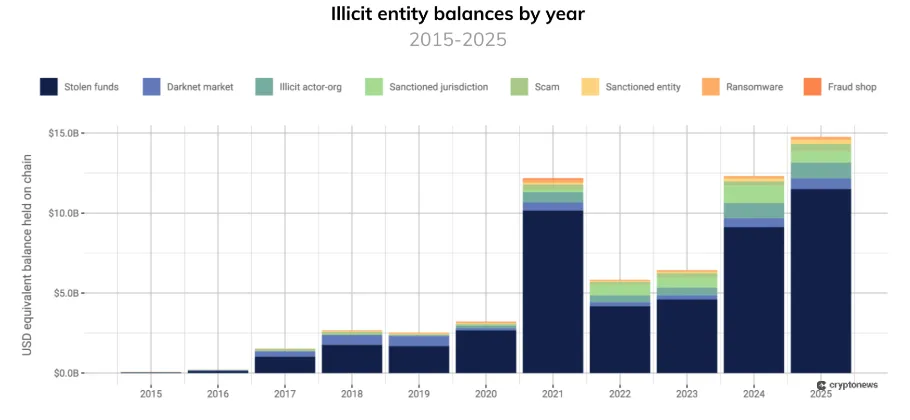
Rug pulls, Ponzi schemes, pig butchering, and other social engineering devices are all scams that are constantly being developed by criminals, and with AI getting more popular, diversity increases.
🌎 Market Manipulation
While analyzing key metrics, you should know that data can be distorted due to market manipulation, as many small projects use bots to inflate market cap and volume figures to create the false impression of success. This is a serious problem in crypto, affecting DeFi, NFTs, and the broader Web3 sector.
For example, CryptoSlam found that 42.52% of NFT trading on Ethereum links to wash trading, a manipulative practice where the same group buys and sells NFTs to inflate volume data.
Risk Management Tips for Investing in Crypto Projects
Many investors find the crypto space appealing for its high-growth opportunities, but the risks are also high. Here are a few basic principles and steps to protect your capital.
🔍 Do Your Own Research
Before investing in any crypto project, take the time to research it thoroughly. Check out our guide on evaluating a cryptocurrency, and review each aspect, from the whitepaper and team to tokenomics and community engagement.
Don’t just rely on social media hype or your friend’s advice.
📚 Diversify Your Cryptocurrency Portfolio
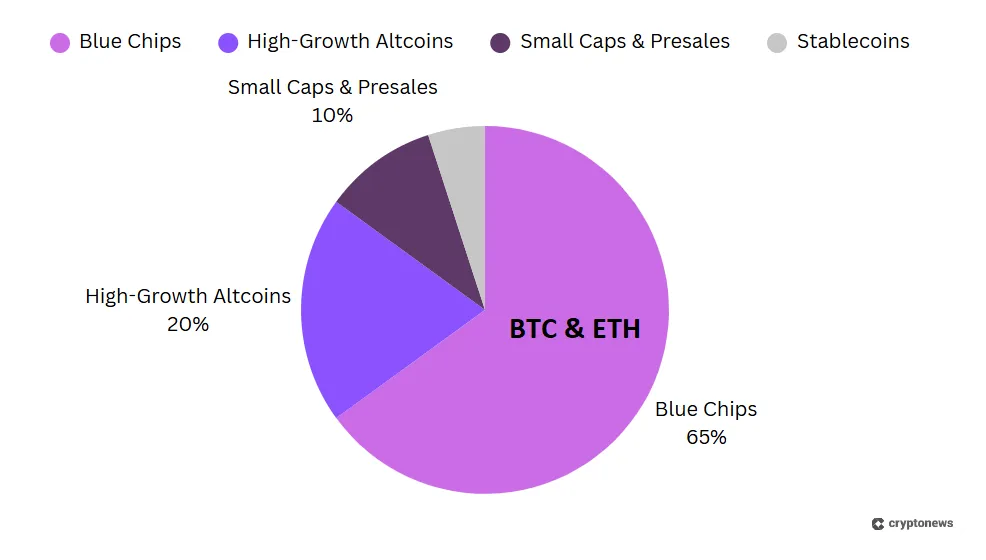
One of the best ways to mitigate risk is to diversify your crypto exposure by allocating across different cryptocurrency types, including blue-chip and small-cap coins.
🧑💼 Consult With a Professional
If you have capital but aren’t sure how to get started in crypto or what the legal and tax implications might be, it’s wise to consult with a financial advisor or crypto-savvy professional.
Again, don’t believe anyone promoting themselves as a crypto expert; look for a reputable individual or firm that can guide you.
💸 Invest Only What You Can Afford to Lose
It may sound like a cliché, but never invest more than you can afford to lose. Crypto markets are highly speculative, and you should never sell your car or house, or dip into your savings, chasing the “next big thing.”
Methodology: How We Rated the Best Cryptos to Buy
To build this list, our analysts screened every asset in the top 100 by market cap against seven weighted criteria, then stress-tested the shortlist against on-chain activity and roadmap delivery rather than price performance alone. Each pick is re-reviewed monthly and dropped when the thesis stops holding. This page was last reviewed on October 2026 by our research desk.For the full framework, please read our full research methodology.
Market Performance (25%)
We reviewed the coin’s price action over the past week and up to 12 months, examining both short-term fluctuations and longer-term trends. We also considered its overall market value to understand its position and weight in the wider crypto market.
For instance, blue-chips like Bitcoin and Ethereum scored highest for long-term price resilience, liquidity depth, and dominance across market cycles, whereas early presales like Bitcoin Hyper lack historical price discovery and carry heightened initial drawdown volatility.
Utility and Use Cases (20%)
We looked at how cryptocurrency is used in real life, paying attention to any features or applications that make it stand out. We also reviewed the technology behind it and recent updates that strengthen its practical use.
Ethereum, Solana, and Hyperliquid earned top marks by generating verifiable protocol fee revenue and executing high-throughput DeFi or smart contracts, while pure payment or meme-driven assets like Dogecoin scored lower due to limited programmability beyond basic peer-to-peer transfers.
Community and Adoption (15%)
To analyze the adoption by the community, we have examined the relevance and liveliness of the project on X, Reddit, Telegram, and other forums. We also examined the practical applications, both among merchants and applications themselves, as well as by regular people, since broader usage tends to be more indicative of a healthier ecosystem.
Dogecoin and Solana demonstrated massive grassroots retail adoption, active on-chain wallet growth, and viral social presence, whereas specialized AI compute protocols like Bittensor rely on a smaller, highly technical cohort of subnet builders and miners.
Development Team (15%)
We researched the development team’s track record and reputation; while we don’t dismiss newcomers, past experience and successful projects help build credibility. We also checked how open the team is with updates, progress reports, and challenges, because the more the community knows, the more confident people feel about buying and holding the coin.
Cardano (IOG) and Ethereum scored near-perfect marks for public, peer-reviewed engineering roadmaps and transparent commit velocity, whereas decentralized derivatives engines like Hyperliquid scored high on rapid product shipping despite operating with a smaller, pseudonymous core team.
Security (15%)
We evaluated the security design of the blockchain, including its consensus mechanism and resistance to common attack vectors. On top of that, we reviewed any past security incidents or bugs and assessed how quickly and effectively the team responded and fixed them.
Bitcoin’s battle-tested Proof-of-Work hashrate and Ethereum’s million-validator economic stake set the benchmark for network stability, while unlaunched Layer 2 protocols like Bitcoin Hyper received strict point deductions for reliance on unproven bridge contracts and pre-mainnet code.
Regulatory Compliance (5%)
We checked whether the cryptocurrency operates in line with relevant regulations in its main regions, since compliance is key for long-term survival and institutional interest.
Bitcoin, Ethereum, and XRP scored highest following U.S. spot ETF approvals and hard-fought legal settlements confirming non-security status, whereas exchange-linked utility assets like BNB have had to navigate lingering jurisdictional headwinds.
Roadmap and Future Plans (5%)
We reviewed the project’s roadmap to see if it sets out clear, realistic updates and milestones that can guide future growth.
Protocols targeting high-impact technical milestones, such as Solana’s independent Firedancer client rollout or Hyperliquid’s native HyperEVM expansion, scored at the top, while mature or meme assets without active architectural roadmaps received minimal baseline weighting.
These scores together gave us a full view of each cryptocurrency’s strengths and potential, allowing us to assign a rating to every coin recommended on this page.
Conclusion: Our Take on the Best Crypto to Buy Right Now
Bitcoin and Ethereum remain the two positions that belong in almost any crypto portfolio, in that order. Bitcoin is the most reliable long-term store of value in the asset class and the lowest-friction first buy; Ethereum adds a 3–4% staking yield and exposure to the settlement layer where stablecoins and tokenized assets actually move. XRP is the strongest third position if you want payments exposure, with real institutional adoption behind it.
Beyond those three, the decision is about risk appetite rather than quality. Solana and BNB give you ecosystem growth with real volatility. TAO, HYPE and HBAR are thematic bets on AI, on-chain derivatives and enterprise tokenization respectively, and each can be wrong for years before it is right.
Match the asset to your time horizon, size positions so a total loss is survivable, and never invest more than you can afford to lose.
Buy Crypto with Best WalletFrequently Asked Questions (FAQs)
Which crypto has the most potential in 2026?
Is Bitcoin and crypto the same?
What are the most popular cryptocurrencies?
What has been the most active cryptocurrency in 2026?
What is the best crypto to invest in with $1,000 right now?
What are the best niche cryptocurrencies?
Which crypto is best to buy today for short-term gains?
References
- CoinPedia via TradingView: XRP ETF Approval Could Trigger Massive Supply Shock
- The Wall Street Journal: Trump Brothers-Backed Bitcoin Mining Company Is Set to List on Nasdaq
- GTreasury: Ripple Breaks into Corporate Treasury with $1B GTreasury Acquisition
- Reuters: US Fed to trim rates twice more this year; 2026 rate path very unclear
- Chainalysis: Illicit entity balances chart
- HTX: Ripple Dev Says Get Ready For 2026, All The New Things Coming For XRP
- BNB Chain: Tech Roadmap 2026
- Yahoo Finance: Hyperliquid Moves Toward Prediction Markets With New Proposal
2M+
250+
8
70





 in numbers

About Cryptonews
Our goal is to offer a comprehensive and objective perspective on the cryptocurrency market, enabling our readers to make informed decisions in this ever-changing landscape.
Our editorial team of more than 70 crypto professionals works to maintain the highest standards of journalism and ethics. We follow strict editorial guidelines to ensure the integrity and credibility of our content.
Whether you’re looking for breaking news, expert opinions, or market insights, Cryptonews has been your go-to destination for everything cryptocurrency since 2017.
