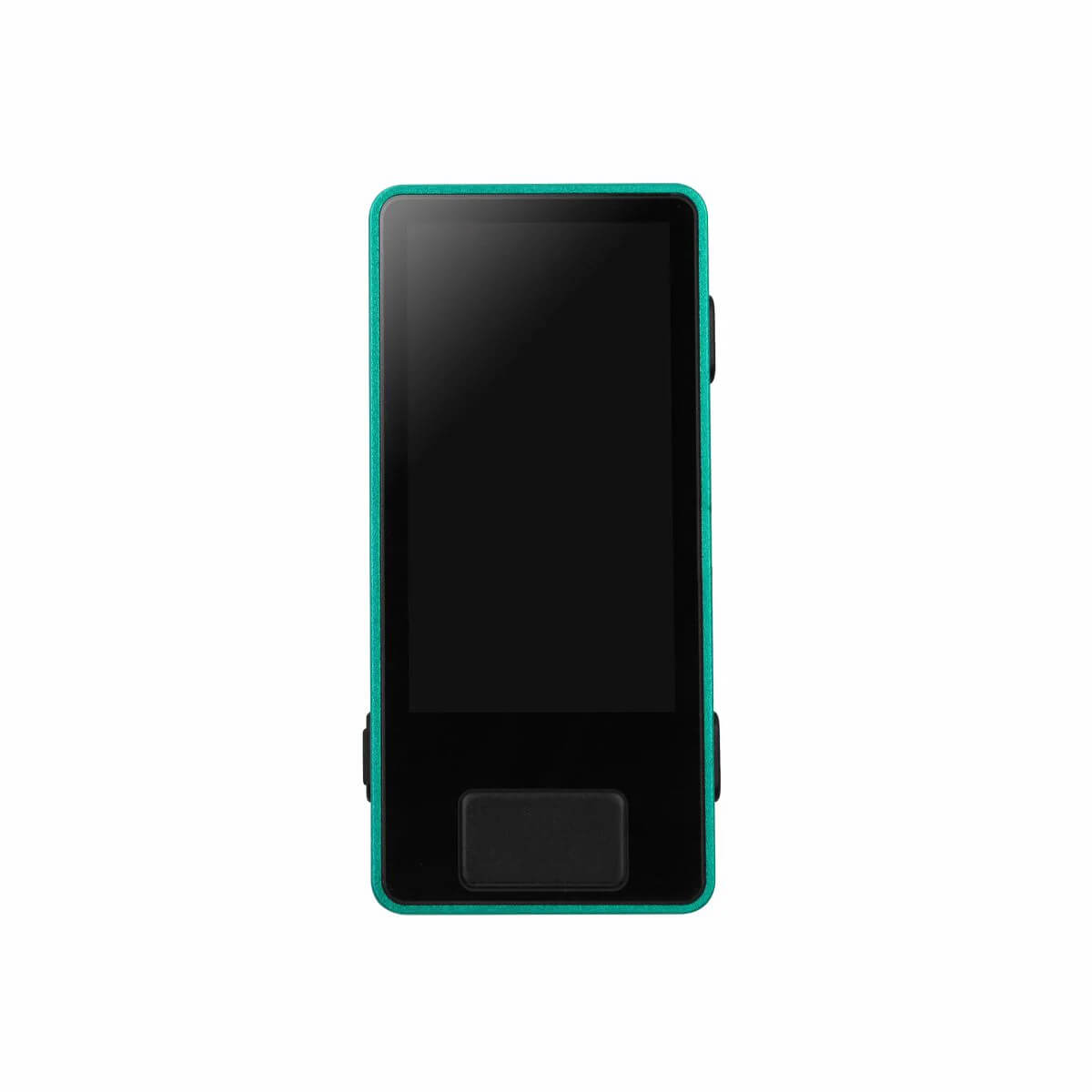
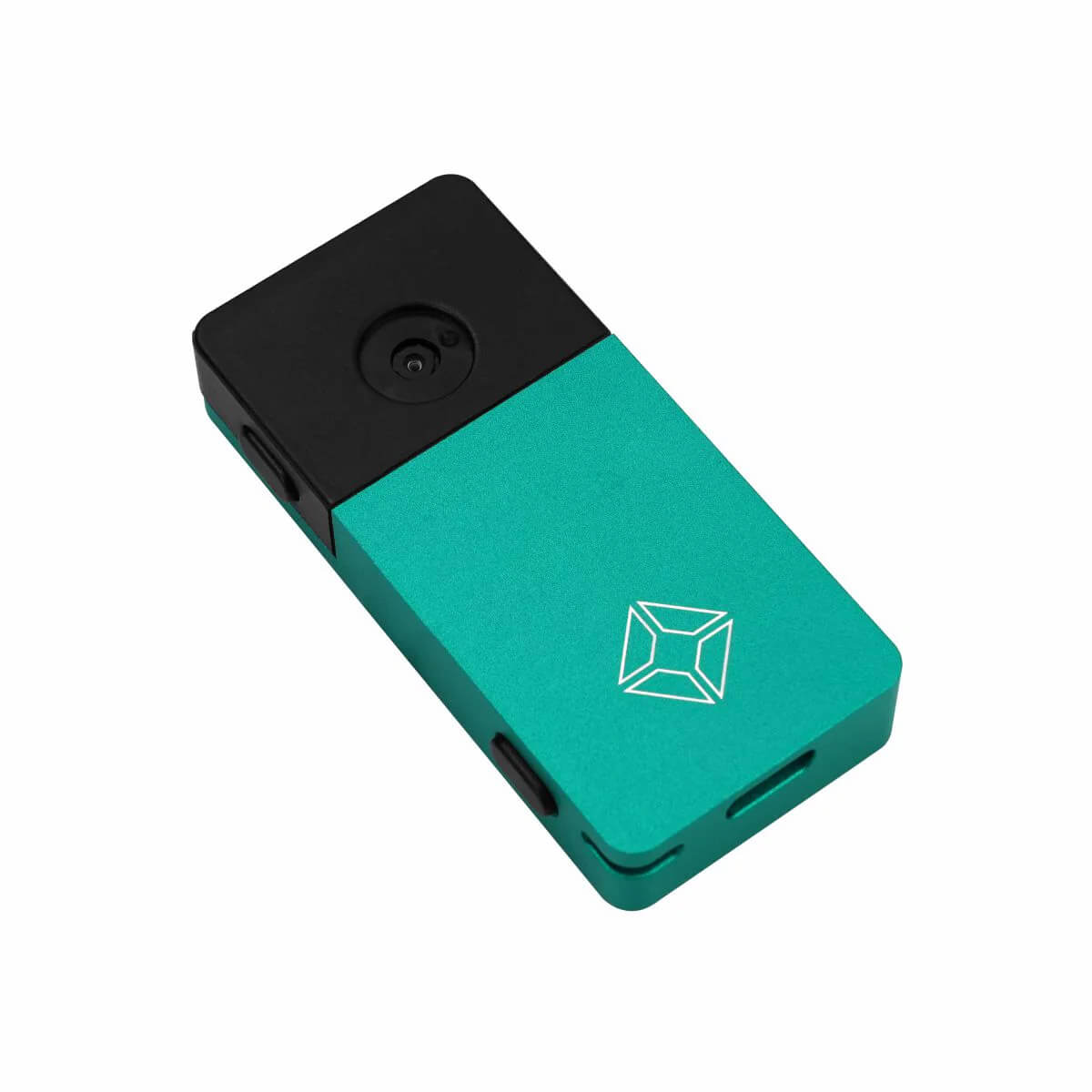
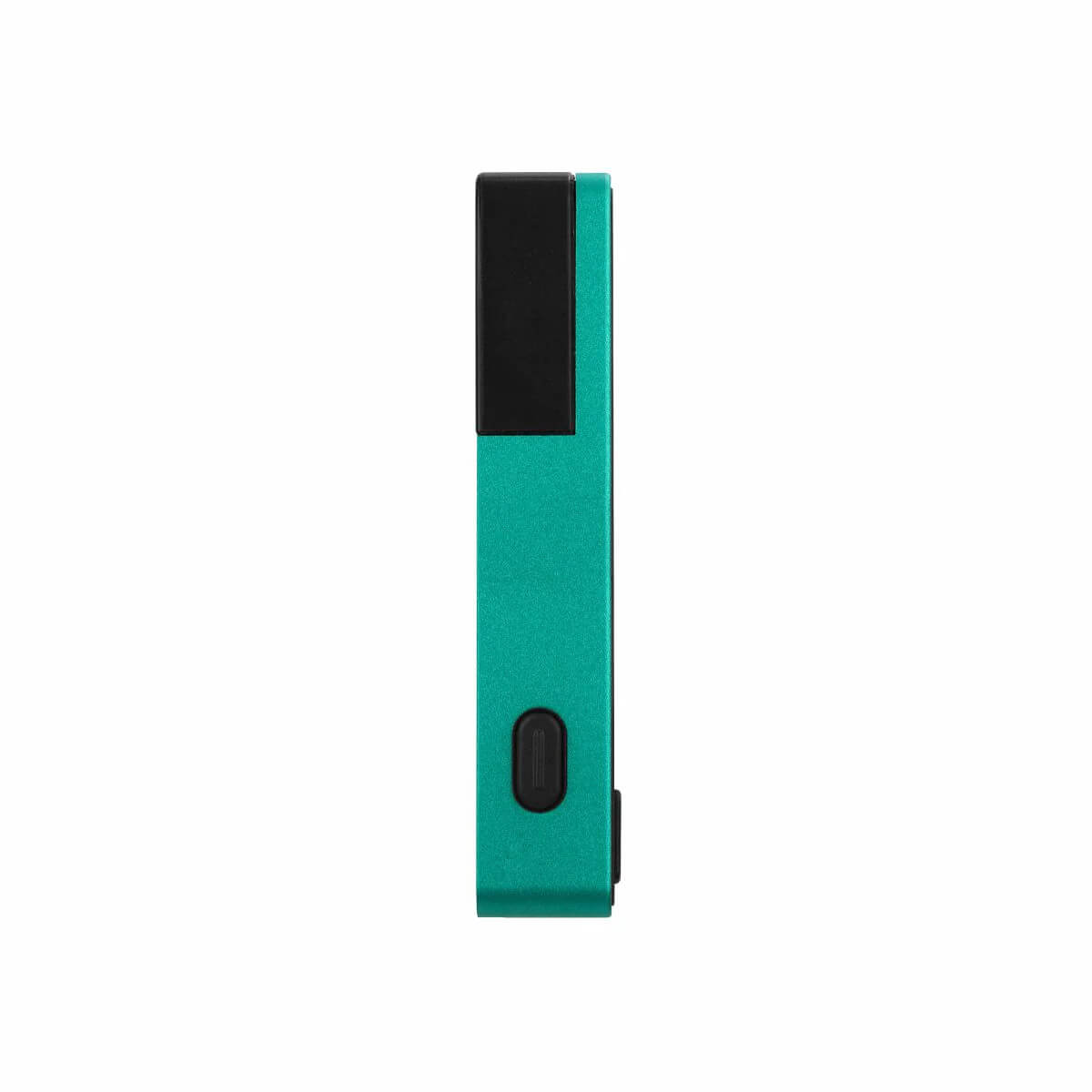
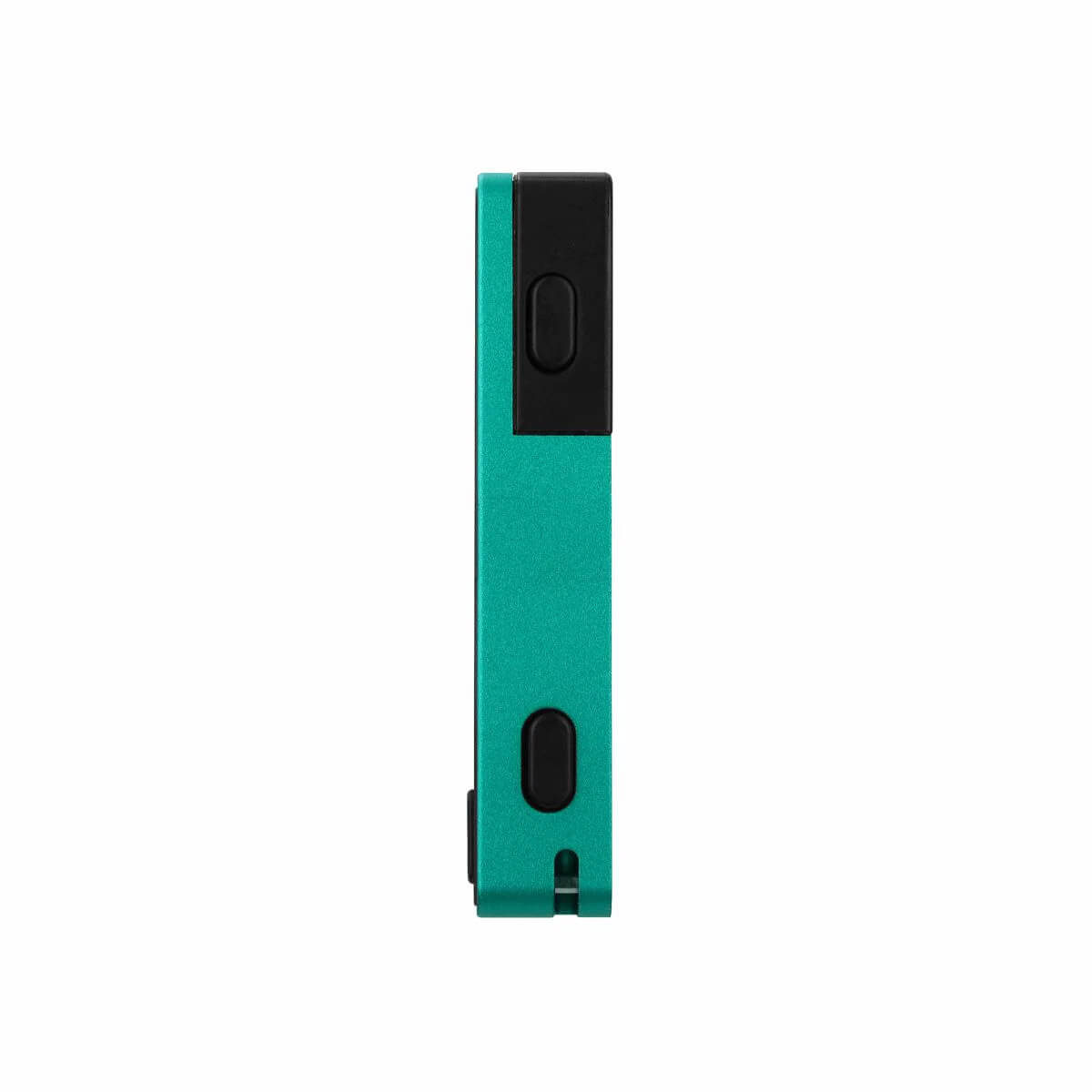
Bitcoin and Liquid holders can use Blockstream Jade Plus to keep their signing keys on offline hardware under their own control. Developed by Blockstream, Jade Plus is designed to keep private keys offline while enabling transaction signing through multiple connection modes, including fully air-gapped QR workflows. The device provides public firmware, multiple connection modes, on-device verification, and optional offline setups.
Overview
Jade Plus follows the standard hardware wallet model: transactions are constructed in companion software and then verified and approved on the device. For users prioritizing isolation, Jade Plus supports camera-based QR signing so that transaction data can move between the device and the companion wallet without a wired data connection. For convenience, it also supports USB-C and Bluetooth connectivity for pairing with supported apps and desktop wallets.
History and Background
Jade Plus is part of Blockstream’s Jade hardware wallet family for Bitcoin and Liquid assets.
Core Products and Services
- Jade Plus stores keys offline and requires on-device approval for supported Bitcoin and Liquid transactions.
- The wallet is designed to work with Blockstream’s wallet app on mobile and desktop for portfolio and transaction workflows.
- Blockstream documents connections to Electrum and Sparrow Wallet. HWI-based integrations depend on the user’s setup.
- Camera-based QR signing lets users transfer signing data without persistent connectivity.
Technology and Features
Jade Plus is an open-source hardware wallet with multiple communication modes: USB-C for wired connections, Bluetooth for mobile pairing, and a built-in camera for QR-code workflows. The QR mode is central to an “air-gapped” operating style, where users can physically control when the device receives or transmits transaction data by scanning and displaying QR codes. In addition to QR signing, Jade Plus can support offline interactions through removable media workflows described for the Jade line, including options used for air-gapped firmware upgrades.
Jade’s “virtual secure element” combines the user’s PIN, a device secret and a secret held by a blind oracle to decrypt the recovery phrase stored on the device. PIN unlocking requires the companion app to reach the oracle, operated by Blockstream by default or hosted by the user. The oracle does not receive the wallet’s private keys or actual PIN. If it is unavailable, users can access the wallet directly with their recovery phrase, including through SeedQR, without the oracle. Like other hardware wallets, Jade Plus relies on on-device confirmation to reduce the chance that malware on a connected phone or computer can silently redirect funds. The practical security outcome still depends on the user carefully verifying recipient addresses and amounts on the hardware wallet before approving a transaction.
Jade Plus also supports Bitcoin multisig workflows through compatible software. Multi-signature setups can reduce single-device risk by requiring approvals from multiple signing devices to move funds, but they also increase operational complexity around backups, coordinator choice, and recovery planning.
Technical Specifications
- The device measures 65 mm × 30 mm × 12 mm.
- It weighs approximately 25 g for the classic black variant and about 30 g for metal variants.
- Physical buttons control navigation and confirmation.
- It has a 280 mAh (rechargeable) battery.
- Jade Plus connects through USB-C or Bluetooth and also supports camera-based QR signing.
Use Cases and Market Position
Blockstream Jade Plus is primarily used for Bitcoin-focused self-custody, including long-term storage and routine signing for on-chain transactions. It is also relevant for users who actively use Liquid assets and want a signer that is designed to support both Bitcoin and Liquid within the same ecosystem. Jade Plus focuses on Bitcoin and Liquid, with public firmware and optional air-gapped operation for users who prefer minimizing connectivity.
Risks and Considerations
- Loss of recovery information can make funds unrecoverable, and exposure of recovery information can enable theft.
- Hardware wallets protect keys, but users can still approve malicious or unintended transactions if they do not verify on-device details.
- Bluetooth and USB-C can improve convenience, while QR workflows can reduce certain exposure. Choosing a mode should match the user’s operational needs.
- Multi-signature setups can improve resilience but require careful planning for backups, device loss, and recovery procedures.